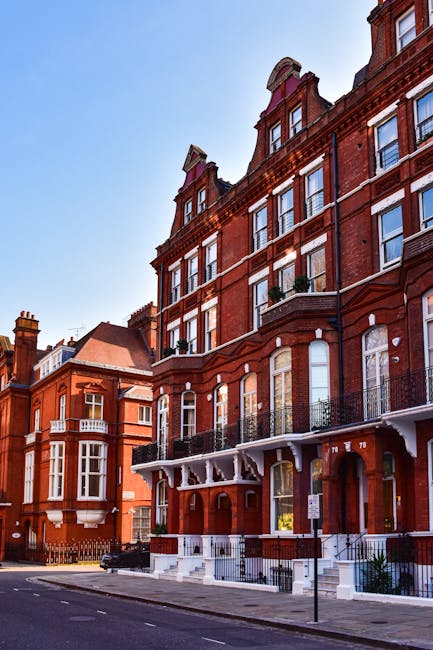
Kensington and Chelsea council permits and insurance for cleaning: what you need to know before the job starts
If you are planning cleaning work in Kensington and Chelsea, the paperwork can matter just as much as the actual clean. Kensington and Chelsea council permits and insurance for cleaning is not just a box-ticking phrase; it is the difference between a smooth job and a stressful one with delays, complaints, or unnecessary risk. That is especially true in a borough where access can be tight, buildings can be historic, and many properties sit in shared blocks, managed estates, or busy commercial streets.
This guide breaks the topic down in plain English. You will learn when permits may be needed, what kind of insurance a cleaning provider should carry, how to check a contractor properly, and how to avoid the common mistakes that catch people out. We will also look at practical examples from domestic, commercial, and specialist cleaning situations, because not every job is the same. Truth be told, a five-minute check at the start can save you a lot of trouble later.
Why Kensington and Chelsea council permits and insurance for cleaning Matters
In Kensington and Chelsea, the setting often shapes the cleaning brief. You might be dealing with a mansion block, a mews house, a commercial premises near heavy footfall, or a shared entrance where residents are coming and going all day. In those environments, a cleaner is not just "doing a job"; they are working within a managed space with rules, neighbours, and sometimes building-specific restrictions.
That is where permits and insurance come in. A permit may be needed when the work affects pavements, skips, parking bays, loading areas, scaffolding, or access arrangements. Insurance matters because even careful work can go wrong: a slippery floor, an accidental chip to a stone sill, a broken item, or water damage caused by the wrong method. Nobody plans for that, obviously, but people do remember whether the contractor was properly covered.
For customers, this is about protecting the property, the people inside it, and your own peace of mind. For landlords, block managers, and commercial clients, it is also about due diligence. If a cleaner is legitimate and well organised, they should be able to explain their access needs, insurance position, and how they handle risk without sounding vague or defensive.
Practical takeaway: if a cleaning job involves shared access, external equipment, waste removal, parking, or working around the public, it is wise to ask about permits and insurance before anyone arrives on site.
How Kensington and Chelsea council permits and insurance for cleaning Works
The phrase can sound more complicated than it is. In practice, it usually means two separate checks: first, whether the job needs any permission or access arrangement; second, whether the cleaning company has the right insurance cover in place.
Permits and permissions: the access side
For many domestic cleans, no council permit is required at all. A standard domestic cleaning visit, for example, can often be completed without any formal permission beyond building access. But once the work spills into public space or building management territory, permissions may be needed. Think of:
- parking near the property for cleaning vans or equipment
- using loading bays or restricted access times
- placing any equipment in communal areas
- external cleaning that requires pavement access or lifts
- after-builders work where materials, dust, or waste need coordination
- short-term letting turnovers with strict arrival and departure windows, such as Airbnb cleaning
Sometimes the permission is not a council permit in the strictest sense. It may be a building manager's approval, a residents' association rule, or an estate access process. That distinction matters. People often say "the council need to approve it" when actually the building itself has the main say. Slightly annoying, but common.
Insurance: the risk side
Cleaning businesses commonly carry a mix of public liability insurance, employer's liability insurance if they employ staff, and sometimes additional cover depending on the service. The exact policy wording can vary, but the key idea is simple: if something is damaged or someone is injured in connection with the work, there is a financial backstop.
For example, a team carrying out deep cleaning in a flat with marble surfaces will have a different risk profile from a small one-off tidy. A provider offering commercial cleaning in an office or shared workspace may also need stronger procedures around staff safety, access logs, and out-of-hours working.
Insurance should always be considered alongside method, supervision, and training. Cover alone does not make a job safe. It just means the business has prepared for the unexpected. And in London, unexpected is never far away.
Key Benefits and Practical Advantages
Getting permits and insurance right is not about bureaucracy for its own sake. There are very real practical gains.
- Fewer delays: the job starts on time because access and parking are already thought through.
- Less stress for the client: you are not left wondering what happens if a vase gets knocked over or a neighbour complains.
- Better building relationships: block managers and concierges tend to trust contractors who look organised.
- Clearer accountability: if anything is damaged, there is a known route for dealing with it.
- More professional outcomes: proper planning tends to go hand in hand with better cleaning standards.
There is also a softer benefit that people often overlook. A well-run cleaning service feels calmer. The van turns up when expected, the team knows where they can park, and nobody is improvising in the hallway at 8am while half the building is trying to leave for work. That calm is worth a lot.
For specialist services like end of tenancy cleaning, one-off cleaning, or after builders cleaning, the practical advantages are even stronger because these jobs can involve time pressure, detailed checklists, and high expectations from landlords or agents.
Who This Is For and When It Makes Sense
Not every reader needs the same level of formality. A weekly house clean is not the same as an external facade wash on a busy street. So let us split the typical scenarios out clearly.
Homeowners and tenants
If you are booking house cleaning, move-in cleaning, or move-out cleaning, your main concern is usually reassurance. You want to know the cleaner has proper insurance and that any access rules for your building are understood. This matters a lot in mansion blocks and apartments where lifts, entrances, and shared corridors can be sensitive areas.
Landlords, agents, and property managers
For rental properties, insurance and permits help protect the asset and reduce disputes. If an end-of-tenancy job is rushed, the blame can land on everyone. Clear evidence of professionalism makes life easier all round. It also helps when you are coordinating with inspections, check-ins, or guest changeovers.
Businesses and office managers
Commercial sites usually need a more structured approach. Office cleaning may require keyholding arrangements, out-of-hours access, health and safety procedures, and sometimes building-level permits or contractor sign-ins. If the premises shares entrances or loading areas with the public, the risk picture changes quickly.
Specialist and higher-risk jobs
Jobs involving height, external surfaces, specialist equipment, or delicate materials should always trigger a deeper insurance and permissions check. That includes things like window cleaning, gutter cleaning, facade cleaning, and even detailed internal work such as carpet cleaning or upholstery cleaning where the wrong method can lead to staining or shrinkage.
Step-by-Step Guidance
If you are trying to check a cleaning job properly, this is the simplest way to do it. Nothing fancy. Just a practical sequence that works.
- Define the job clearly. Write down exactly what is being cleaned, when, and where. A small hallway clean and a full after-builders package are not comparable.
- Identify access issues. Ask whether parking, loading, lifts, concierge sign-in, or shared access will be needed. If the job touches public space, ask whether any permit or building permission applies.
- Check the insurance. Ask what cover the provider has, whether staff are covered, and whether the policy is current. A good cleaner should be used to this question.
- Confirm working methods. For delicate surfaces or specialist treatments, ask how the cleaner will protect floors, walls, fittings, and nearby furniture.
- Agree the scope in writing. Make sure everyone knows what is included, what is not included, and what happens if the job changes on arrival.
- Coordinate timing. Kensington and Chelsea can be busy, so a narrow arrival window may be unrealistic if parking or access is tight. Build in a buffer.
- Keep records. Save the quote, messages, and any insurance or access confirmations. You may never need them, but if you do, they are gold dust.
If the work is part of a larger property project, it helps to view it alongside other services such as regular cleaning, communal area cleaning, or commercial carpet cleaning. Different settings need different checks, and one size rarely fits all. Not even close.
Expert Tips for Better Results
There are a few habits that make a big difference in this borough. They are not dramatic, but they save time and hassle.
- Ask about access before you ask about price. Cheap quotes can look great until the team cannot park or enter the building.
- Use photos for tricky jobs. A few clear images of the area, fittings, or stains can prevent misunderstandings.
- Protect shared spaces first. In managed buildings, a cleaner who lays floor protection and keeps common areas tidy will usually earn goodwill fast.
- Match the service to the surface. For instance, steam carpet cleaning is not the same as standard carpet care, and delicate upholstery needs its own method.
- Be wary of "we'll sort it on the day." Sometimes flexibility is good. Sometimes it means the provider has not planned properly.
To be fair, most cleaning problems start with assumptions, not bad intent. The client assumes access is easy; the cleaner assumes parking is available; the building assumes someone else has given permission. That is how little misunderstandings become a messy morning.
One more thing: if a provider can talk confidently about safety, training, and what happens if there is a spill or breakage, that is a strong sign they know what they are doing. It is not flashy. It is reassuring, which is better.
Common Mistakes to Avoid
These are the ones we see most often, and they can cost time or money.
- Assuming every cleaning job needs the same permission. A domestic refresh and an external access-heavy job are very different animals.
- Forgetting building rules. Some blocks have strict windows for contractor access, noise, lift use, or waste handling.
- Not checking insurance early. You do not want to discover cover gaps after a problem has already happened.
- Leaving parking until the last minute. In Kensington and Chelsea, that can turn a routine visit into a frustrating delay.
- Choosing on price alone. The lowest quote can be fine, but only if it still includes the right level of cover and planning.
- Ignoring specialist risk. A basic cleaner may be excellent for routine work but not suited to after-builders dust, stains, or fragile items.
Another quiet mistake is not asking how complaints are handled. If something goes wrong, you want a process, not a shrug. Pages like the site's complaints procedure and terms and conditions can help set expectations from the start.
Tools, Resources and Recommendations
You do not need a huge toolkit to manage cleaning compliance sensibly. A small, organised checklist is usually enough.
- a written scope of work
- photos of the property or affected areas
- access instructions for concierge, keys, or alarm codes
- confirmation of parking or loading arrangements
- insurance details from the contractor
- any building or management rules that apply
- a simple record of dates, times, and contact names
If you are comparing providers, a useful starting point is to review their public policies and service pages, especially insurance and safety information, health and safety policy, and pricing and quotes. These pages can tell you a lot about how a company thinks, even before you speak to them.
For eco-conscious clients, it is also sensible to check how waste and materials are handled, especially during larger jobs like house clearance or post-refurbishment work. The site's recycling and sustainability information can be helpful if your cleaning needs include disposal, sorting, or responsible material handling.
Law, Compliance, Standards, or Best Practice
This topic touches on both legal and practical compliance. The exact requirements depend on the type of work, the building, and the access involved, so it is best to think in terms of accepted UK practice rather than a one-rule-fits-all answer.
At a minimum, cleaning businesses should operate with proper public liability insurance and, where relevant, employer's liability insurance. For more specialist jobs, a provider may also need risk assessments, method statements, safer equipment handling, and extra controls for working at height, electrical safety, or chemical use. None of that is exotic. It is just good practice.
On the permissions side, councils and building managers may be involved when the work affects shared or public spaces, parking, loading, skips, or external access. In a borough like Kensington and Chelsea, this often comes up faster than people expect. The safest approach is to ask early, get answers in writing where possible, and avoid relying on guesswork.
Best practice also means clarity around responsibilities. Who provides access? Who handles parking? Who is responsible for protecting finishes? What happens if work has to stop because a permit or building rule was missed? The cleaner should be able to answer these questions in plain English.
Options, Methods, or Comparison Table
Not every job needs the same level of formality. Here is a simple comparison to help you judge what kind of planning is usually appropriate.
| Type of cleaning | Permit or permission likely needed? | Insurance importance | Typical risk level |
|---|---|---|---|
| Routine domestic cleaning | Usually building access only | Important | Low to moderate |
| Move-in or move-out cleaning | Sometimes access windows or building sign-in | Important | Moderate |
| End of tenancy cleaning | Sometimes, depending on the block | Very important | Moderate |
| Office or commercial cleaning | Often site-specific access procedures | Very important | Moderate to high |
| External cleaning such as windows or facades | Often requires additional permissions | Essential | Higher |
| After-builders or clearance-related work | May involve access and waste coordination | Essential | Higher |
This is only a guide, not a legal determination. Still, it reflects the way real jobs tend to work. If the activity is visible from the street, uses equipment, or affects shared areas, expect more planning. If it is a simple interior clean with straightforward access, the process is usually lighter.
Case Study or Real-World Example
Imagine a flat in a converted period building near a busy road in Kensington and Chelsea. The owner wants a move-out clean before the keys are handed back. On paper, simple enough. In practice, there are a few moving parts: a narrow entrance, a lift booked for a limited window, neighbour sensitivities, and nowhere obvious for a van to sit without causing trouble.
The cleaner checks the access route before the visit, asks whether the building manager wants contractor sign-in, and confirms where equipment can be unloaded. Insurance details are already on file. The team arrives with the right kit for delicate surfaces and uses mats near the entrance so no one tracks in grit. A small spill is dealt with quickly, and because everything was planned, nobody panics.
That job would probably have been fine without drama anyway, but the difference is that the client does not have to chase, explain, or improvise. The handover happens on time. The hallway stays tidy. And the building manager, who has seen many less organised contractors, is quietly relieved. Sometimes that is the win.
Practical Checklist
Use this checklist before any cleaning job where permits, access, or insurance may matter.
- Have I defined the exact cleaning scope?
- Does the location involve shared access, parking, or public space?
- Have I checked whether the building has its own rules or approval process?
- Has the cleaning provider confirmed current insurance?
- Do I know who is responsible for keys, entry, alarms, and exit?
- Have I asked how floors, walls, fittings, and furniture will be protected?
- Is the timing realistic for the property and the area?
- Are any specialist services involved, such as oven cleaning, mattress cleaning, or sofa cleaning?
- Do I have written confirmation of price, scope, and any exclusions?
- Do I know how to raise an issue if something goes wrong?
Keep it simple. If a provider is professional, these questions should not feel awkward. They should feel normal. Because they are normal.
Get a free quote today and see how much you can save.
Conclusion
Getting to grips with Kensington and Chelsea council permits and insurance for cleaning is really about reducing friction. When access is clear, permissions are checked, and insurance is in place, the cleaning itself tends to go better. You get fewer surprises, better communication, and a more professional outcome overall.
That is especially true in a borough where properties can be tightly managed and expectations are high. Whether you are arranging a one-off clean, a recurring domestic service, or a specialist commercial job, the same principle applies: plan the practicalities first, then let the cleaning team do what they do best.
And honestly, that is how it should be. Calm, clear, no drama. A well-prepared clean is just easier to live with.
Frequently Asked Questions
Do I always need a council permit for cleaning in Kensington and Chelsea?
No, not always. Many indoor cleaning jobs do not need a council permit at all. Permits or permissions are more likely when the work affects parking, loading, pavements, external access, or other shared spaces.
What insurance should a cleaning company have?
At minimum, a reputable cleaner should usually have public liability insurance. If they employ staff, employer's liability insurance is also typically expected. Depending on the job, other cover may be sensible too.
How can I check whether a cleaner is properly insured?
Ask them directly and request confirmation in writing. A professional company should be able to explain what cover they hold and how it relates to the work you need done.
Is insurance more important for commercial cleaning than domestic cleaning?
Both matter, but commercial work often carries more access, staff, and operational risk. That means insurance, procedures, and documentation become even more important.
What if my building manager has access rules that conflict with the cleaner's schedule?
That happens more often than you might think. The best approach is to resolve it before the appointment by sharing the building rules early and agreeing a realistic time window.
Do after-builders jobs need extra planning?
Usually yes. After-builders cleaning can involve dust, debris, heavy footfall, and possible coordination with trades. It is wise to confirm access, protection measures, and insurance before the team arrives.
Will a permit affect the price of cleaning?
It can, depending on what is involved. If parking, loading, or access permissions take extra time or create extra costs, that may be reflected in the quote.
What should I ask before booking a cleaner in Kensington and Chelsea?
Ask about access, insurance, the exact scope of work, timing, and any building restrictions. If it is a specialist service, ask how they protect surfaces and deal with spill or damage risks.
Does every cleaner need to deal with council permissions themselves?
Not always. In many cases, the client or building manager controls access permissions, while the cleaner confirms what they need to carry out the job safely and legally.
What is the biggest mistake people make with cleaning permits and insurance?
They assume someone else has checked it. Often nobody has. A quick conversation at the start avoids a lot of avoidable stress later on.
Are private flats treated differently from offices or shops?
Yes, usually. Private flats often involve building access and resident rules, while offices and shops may require sign-in procedures, out-of-hours working, and more formal risk management.
Where can I learn more about a cleaning company's approach to safety?
Look for pages covering insurance, safety, health and safety policy, pricing, and terms. These details often show how organised and reliable the provider really is.
If you are comparing services, it can also help to review options such as regular cleaning, one-off cleaning, or office cleaning to see which model best fits your property and access needs.