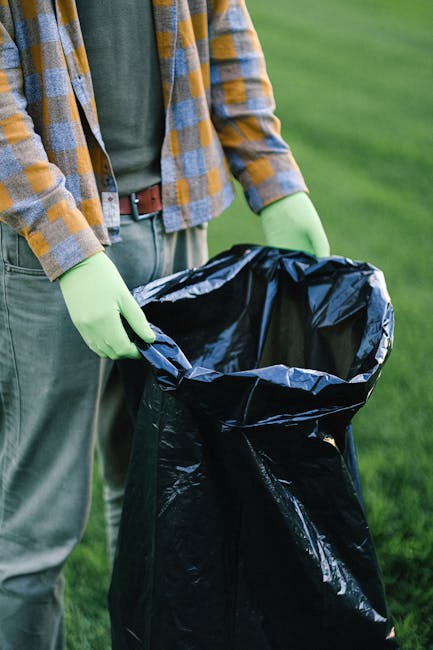
Kensington and Chelsea council rubbish rules for cleaning services
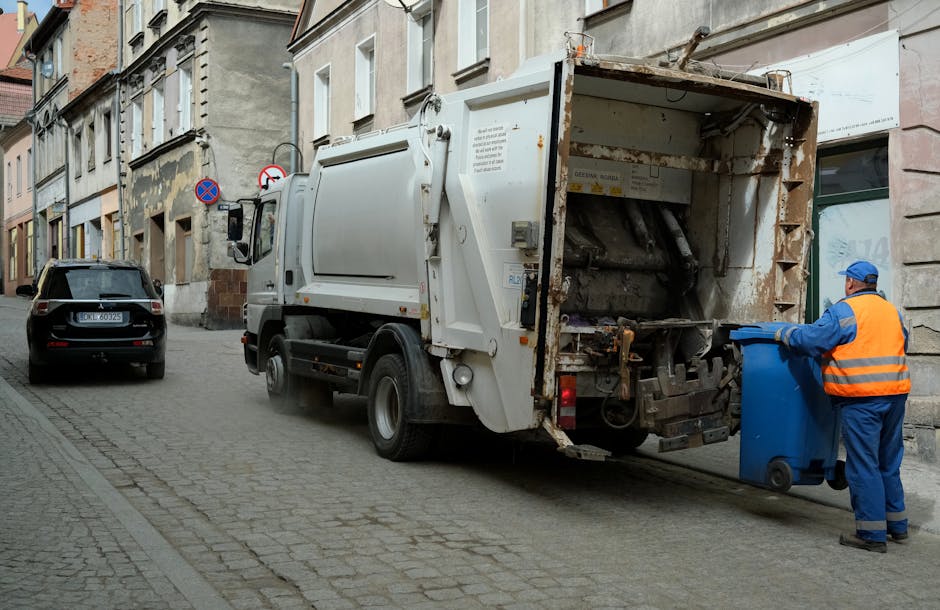
If you clean homes, offices, rentals, or communal spaces in Kensington and Chelsea, rubbish is never just "rubbish". One wrong bag left out at the wrong time, a missed booking for bulky waste, or a bin contaminated with the wrong material can create a very avoidable headache. The rules around waste disposal affect how cleaning services work on the ground every day.
This guide explains Kensington and Chelsea council rubbish rules for cleaning services in plain English. You will see what matters, how the process usually works, where teams slip up, and how to build a cleaner, calmer waste routine that protects clients, staff, and the property. No drama. Just the practical stuff that keeps a job moving.
Why Kensington and Chelsea council rubbish rules for cleaning services Matters
Waste rules matter because cleaning work creates waste in a very visible way. Dirty cloths, vacuum contents, food packaging, broken items, soft furnishings, cardboard, PPE, and occasional hazardous material all need a plan. In an area like Kensington and Chelsea, where streets are tight, storage space is limited, and collection timing can be unforgiving, a sloppy rubbish setup can quickly become a problem for everyone involved.
For a cleaning company, the issue is not only compliance. It is also service quality. If rubbish is left in the wrong place, the client notices. If it is left too long, smells build up, bins overflow, and neighbours complain. And if your team is trying to finish a job at 7am or just before the school run, a missed collection can throw off the whole day. Not ideal.
To be fair, most waste problems are not caused by bad intentions. They happen because the team is rushed, the property has awkward access, or no one clarified who is responsible for putting bins out. That is why a simple, repeatable process is so useful.
Expert summary: Good rubbish handling for cleaning services is less about memorising every rule and more about building a reliable habit: separate waste correctly, use the right container, respect collection timing, and confirm responsibilities before you leave site.
How Kensington and Chelsea council rubbish rules for cleaning services Works
At a practical level, cleaning services need to think about three things: what the waste is, where it should go, and when it can legally and safely be collected. That sounds obvious, but in the real world the details are where things go wrong.
Most day-to-day cleaning waste falls into a few familiar categories:
- General black-bag waste from standard domestic or office cleaning
- Dry mixed recycling such as clean cardboard and certain packaging, where the property provides the correct bins
- Food waste, where a separate container exists and the property uses one
- Bulky items from decluttering jobs, such as old small furniture or unwanted appliances
- Special waste that needs extra care, such as broken glass, sharps, chemical products, or contaminated materials
Cleaning teams usually do not "own" the council's collection system, but they do need to work within it. That means checking the building's bin arrangement, understanding any resident or managing agent instructions, and knowing when a task has moved beyond normal tidying into house clearance or waste removal territory.
For example, a standard after-visit clean after a tenancy may involve bagging rubbish neatly and leaving it in the property's designated bin store. But if the flat contains multiple mattresses, broken furniture, and several sacks of mixed items, the job is no longer just cleaning. It may need a proper house clearance approach, especially if the disposal route needs to be arranged in advance.
The same thinking applies to service type. A regular weekly clean in a small apartment often creates very little waste beyond general bagged refuse. A deep clean, on the other hand, may generate more packaging, disposable cloths, and removed grime. If you want a fuller service model that already accounts for heavier work, deep cleaning and regular cleaning can be planned differently from the start.
Truth be told, the most efficient teams build waste handling into the job checklist before they start, not after the last mop stroke.
Key Benefits and Practical Advantages
Following the rubbish rules properly is not just about staying on the right side of local expectations. It brings a few very real operational benefits.
- Fewer collection problems: Waste is less likely to be left behind, rejected, or mixed in the wrong bin.
- Better client experience: The property looks finished rather than half-done.
- Lower complaint risk: Neighbours, residents, and building managers are less likely to raise issues.
- Cleaner working conditions: Staff are less exposed to odours, insects, damp waste, and trip hazards.
- More predictable scheduling: Teams can work around collection days instead of discovering a bin issue at the end of the shift.
- Stronger trust: Landlords, tenants, and commercial clients notice when waste is handled properly.
There is also a commercial side. A cleaner that can manage waste sensibly looks more professional, especially in a high-value local market where buildings are often managed carefully and expectations are pretty high. A tidy waste process says, "We know what we are doing." That counts.
If your service includes property turnover work, the effect is even clearer. End-of-tenancy jobs, move-in cleans, and Airbnb turnovers can create a lot of small waste decisions. Pairing rubbish handling with end of tenancy cleaning, move-out cleaning, or Airbnb cleaning makes the whole process smoother and easier to explain to the client.
Who This Is For and When It Makes Sense
This topic matters to more people than you might think. It is not just a concern for large firms with vans and uniforms.
- Domestic cleaners working in houses, flats, and maisonettes
- Office cleaners handling deskside waste, recycling, and communal bins
- End-of-tenancy teams who often meet leftover waste and abandoned items
- Airbnb and short-let cleaners dealing with fast turnaround and limited time
- Builders' final clean teams who may find dust, packaging, and leftover materials
- Property managers and concierge teams who need a predictable bin process
- Independent cleaners who want to avoid awkward disputes with clients
It makes sense whenever a job creates more than a handful of bags or involves anything bulky, sharp, wet, smelly, or potentially contaminated. It also matters in buildings with shared bin stores, because one person's shortcut can become everyone else's nuisance.
A small example: a cleaner finishes a two-hour job in a basement flat and leaves three full sacks by the back door because the bin store is locked. The client assumed the cleaner would "sort it". The cleaner assumed the client would open access. That kind of misunderstanding is common. It is also avoidable.
If you work in a building with common areas, a dedicated communal area cleaning plan can help align rubbish movement with the property's actual bin arrangements. It is a small thing, but it saves friction.
Step-by-Step Guidance
If you are trying to build a dependable waste routine, keep it simple. The best systems are the ones your team can repeat even when the day gets messy, which, let's face it, it sometimes does.
- Check the job type before arriving. Is it a standard clean, a deep clean, a move-out, or a clearance-heavy job? That tells you what kind of waste to expect.
- Confirm the building's bin setup. Find out where refuse, recycling, and food waste go. If access to the bin store is limited, note it before the team starts.
- Separate waste as you work. Do not leave all rubbish until the end. A split system is easier to manage and less likely to contaminate recycling.
- Bag everything securely. Use the right bag size, tie it off properly, and avoid overfilling. A bursting sack in a narrow staircase is nobody's idea of efficient.
- Deal carefully with special items. Broken glass, needles, chemicals, and soiled items should not be treated like ordinary waste.
- Put waste in the correct location. Follow the property's instructions and the local collection set-up. Never assume a pile near the pavement is acceptable.
- Record anything unusual. If you found significant rubbish, unsafe items, or blocked access, note it for the client or manager.
- Leave the site tidy. Wipe the area, check for drips, and make sure no loose debris has been left behind.
If a job involves more than normal refuse, consider whether it needs a service built for heavier waste handling. A one-off cleaning visit may be enough for a light refresh, but more demanding jobs often need a stronger plan. For surface-specific mess, services such as stain removal or pet stain odour removal may reduce the amount of debris left at the end, which is a small but useful win.
Expert Tips for Better Results
Here is where the practical side really starts to pay off. These are the habits that make waste handling easier and less stressful for everyone involved.
- Build a bin check into the first five minutes. Do not wait until the last room is done.
- Keep a small supply of strong liners on hand. Cheap bags fail at the worst moment. Usually when the lift door is already open.
- Train staff on "mixed waste" instincts. People need to know what can and cannot go into standard sacks.
- Ask about collection timing on repeat jobs. A recurring job can be planned around the bin schedule much more easily than a one-off clean.
- Use separate bags for hazardous or sharp waste. Do not bury risk in a black bag and hope for the best.
- Document special instructions. If the client says "only use the rear bin" or "don't disturb the recycling area", keep that note visible.
A useful trick for teams working in high-footfall buildings: assign one person to a final "waste sweep" before departure. That person checks the kitchen, bathroom, utility space, and front entry for forgotten items. It sounds almost too simple, but it catches a surprising amount.
If you are cleaning fabric or soft furnishings, the job may create hidden waste too, like protective sheets, disposable pads, or removed lint. Services such as sofa cleaning, upholstery cleaning, carpet cleaning, and window cleaning may not sound waste-heavy, but they still need a tidy disposal routine. Small things add up.
Common Mistakes to Avoid
The same mistakes come up again and again. Most of them are boring, which is exactly why they keep happening.
- Leaving it to the end. Waste that is ignored during the job becomes a rush at the finish.
- Mixing recycling with general waste. It looks careless, and in shared buildings it can become a recurring issue.
- Assuming the client will deal with everything. That needs to be agreed clearly, not guessed.
- Overfilling bags. This leads to tears, spills, and a really unpleasant carry to the bin store.
- Ignoring access restrictions. Locked bin areas, concierge rules, and timed entry all matter.
- Using the wrong route for bulky items. Bulky waste is where "we'll just pop it outside" becomes a problem fast.
- Forgetting the odour factor. Some waste may be technically bagged but still awful to leave indoors for long.
One small but important thing: do not treat every building the same. A townhouse, a serviced apartment block, and a busy office building are three different waste worlds. If you work them all with the same system, something will eventually break. Probably on a Friday.
Tools, Resources and Recommendations
You do not need a huge kit to manage rubbish properly. You do need the right basics, and you need them consistently.
- Strong bin liners in a range of sizes
- Heavy-duty sacks for larger or denser waste
- Gloves and protective equipment for sharp, dirty, or unexpected items
- Tape or ties for securing awkward bags
- A site checklist that includes waste removal and bin placement
- Job notes for building access, collection timing, and client instructions
- Clear disposal categories so staff know what goes where
Where cleaning jobs are tied to turnover or property care, it can help to map services against the type of waste they create. For example, after builders cleaning can produce dust, packaging, and debris, while oven cleaning may involve grease-soaked materials that should not be handled casually. A service like patio cleaning may create organic debris and wet residue, while facade cleaning can involve runoff that needs careful control.
And if your work crosses into operational planning, not just cleaning, then good back-office habits matter too. Clear policies around insurance and safety, health and safety, terms and conditions, and recycling and sustainability help set expectations before a bag of waste ever hits the pavement.
Law, Compliance, Standards, or Best Practice
Waste handling in the UK sits under broader legal and practical duties around responsible disposal, property safety, and environmental care. For cleaning services, the safest approach is to treat waste as something that must be handled deliberately, not as an afterthought.
You do not need to turn every job into a legal seminar, but you do need a few sound principles:
- Use only appropriate disposal routes. Do not leave rubbish where it could cause obstruction or nuisance.
- Separate waste types where practical. Mixed waste can create avoidable disposal problems.
- Handle hazardous materials with extra caution. If something feels risky, stop and assess it.
- Respect building rules and access arrangements. Shared properties often have their own local instructions.
- Keep records for unusual jobs. Good notes help if a client later questions what happened.
In practice, best work usually means doing the simple things well: bagging securely, avoiding contamination, and communicating clearly. That is often enough to keep a job tidy and defensible. If a cleaner is unsure whether waste is general, bulky, or special, the sensible move is to pause and ask rather than make a risky guess.
Some jobs also need more than routine waste handling. A flat clear-out after a move, or a property that has been left in a difficult state, may require a separate waste strategy and a dedicated move-out cleaning or move-in cleaning workflow. The important thing is that the cleaner recognises the difference early.
Options, Methods, or Comparison Table
Different jobs need different waste approaches. A quick comparison makes that clearer.
| Method | Best for | Strengths | Limitations |
|---|---|---|---|
| Standard bag-and-bin disposal | Routine domestic or office cleaning | Fast, simple, familiar | Not suitable for bulky or special waste |
| Separated waste streams | Sites with recycling, food waste, and general waste | Cleaner, more organised, less contamination | Needs planning and clear labels |
| Bulky waste plan | Decluttering, end-of-tenancy, clearance-heavy jobs | Handles larger items properly | Often needs extra coordination |
| Special waste handling | Sharps, chemicals, contaminated materials | Safer and more compliant | Requires training and care |
If you are deciding between them, the question is simple: what did the job actually create? A light weekly clean can stay in the first lane. A post-party reset, landlord turnaround, or cluttered flat is probably closer to the third. And the occasional awkward mess? That needs the fourth. No shame in that. It is just part of real work.
Case Study or Real-World Example
Here is a realistic example from the kind of job a cleaning team might face in Kensington and Chelsea.
A short-let property in a converted building has a late checkout and a same-day guest arrival. The cleaner arrives to find kitchen waste, a few recycling items, two broken glasses, a half-empty cleaning spray, and a large cardboard box from a new appliance. There is also a shared bin store in the basement with separate sections for general waste and dry recycling.
The team handles it in stages. Glass is wrapped safely. Recycling is separated. The spray bottle is checked and set aside for the client's instructions rather than chucked in with the rest. The cardboard is flattened. The general waste is bagged neatly and taken to the proper bin. The cleaner also leaves a note for the host about the missing bin lid in the store, because small access problems can become repeat issues.
The difference is visible immediately. The flat looks finished, the building smells normal again, and the turnover stays on schedule. Nothing heroic. Just good habits.
If the same property had contained abandoned luggage, a broken chair, and several extra sacks of rubbish, the work would have shifted into a more clearance-style job, and a separate plan would have been the sensible move. That is where services such as house clearance become much more relevant than ordinary cleaning.
Practical Checklist
Use this checklist before, during, and after a cleaning job that creates rubbish.
- Confirm the type of job and expected waste level
- Check the building's bin types and collection access
- Bring the correct liners, sacks, and protective gear
- Separate recyclables from general waste where possible
- Bag waste securely and avoid overfilling
- Handle sharp or questionable items separately
- Do not block exits, corridors, or shared areas
- Follow any client, landlord, or concierge instructions
- Move waste to the correct storage point or collection area
- Double-check the property for forgotten debris before leaving
- Record unusual waste, access problems, or client requests
That checklist sounds basic, but basic is good. In waste handling, basic done well is usually better than clever done badly.
Get a free quote today and see how much you can save.
Conclusion
Kensington and Chelsea council rubbish rules for cleaning services are best understood as a practical framework, not a puzzle. Know what kind of waste you are dealing with, keep it separated where possible, respect access and collection timing, and make sure everyone knows who is responsible. That approach protects the property, keeps the job moving, and reduces awkward conversations later.
For cleaners, landlords, hosts, and managers alike, the reward is simple: fewer surprises, less mess, and a far calmer finish to the day. And honestly, in London, calm at the end of a busy clean is worth a lot.
If you build your rubbish process around clarity and consistency, you will notice the difference quickly. The work feels smoother. The site looks better. People trust you more. Not bad for something as ordinary as a bin bag.
Frequently Asked Questions
What are Kensington and Chelsea council rubbish rules for cleaning services?
They are the local waste and collection expectations that affect how cleaners bag, separate, store, and present rubbish during a job. The main idea is to dispose of waste properly, avoid contamination, and respect property and collection arrangements.
Do cleaning services need to separate recycling from general waste?
Where the property provides separate bins and the waste type allows it, yes. Clean recycling should stay separate from general waste. If the site only has one waste stream available, follow the property's instructions and avoid guessing.
Can cleaners leave rubbish outside a property if bins are full?
Usually, no, not unless the property instructions clearly allow it and it will not cause obstruction or nuisance. Leaving waste outside without permission can create complaints and may become a local issue very quickly.
What should a cleaner do with bulky items left behind by a tenant?
Bulky items often need a separate plan. They should not be treated like ordinary bagged waste. If the job includes furniture, mattresses, or multiple large items, it may need house clearance support or another agreed disposal arrangement.
Are broken glasses and sharp items classed as ordinary rubbish?
They need extra care. Broken glass and sharp items should be wrapped or contained safely so they do not injure anyone handling the waste later. Do not just mix them loosely into a sack.
What if the bin store is locked or inaccessible?
That is a planning issue, not something to ignore at the end of the job. The cleaner should note the access problem, speak to the client or managing agent, and avoid leaving waste in an unsafe or unauthorised location.
Do these rubbish rules matter for small domestic cleaning jobs?
Yes, even small jobs can create bagged waste, recycling, or awkward items. A simple cleaning visit is often the place where poor bin habits are easiest to spot and easiest to fix.
How do end-of-tenancy cleans differ from regular cleaning in waste terms?
End-of-tenancy work usually creates more rubbish, more packaging, and a higher chance of leftover items. Regular cleaning tends to be lighter and more predictable. The waste plan should reflect that difference from the start.
What is the biggest mistake cleaning services make with rubbish?
Assuming the client will sort it out later. That leads to confusion, missed collections, and unpleasant surprises. Clear responsibility and clear instructions prevent most of the drama.
Should cleaning companies have a written waste process?
Absolutely. A short written process helps staff know what to do with rubbish, recycling, sharps, and bulky items. It also makes training easier and reduces inconsistency between different jobs and team members.
When does rubbish handling become more of a clearance job than a cleaning job?
When the waste is no longer incidental. If the property contains abandoned furniture, multiple bags of mixed items, or a significant amount of rubbish, the work is edging into clearance territory rather than standard cleaning.
Which services are most likely to create waste handling issues?
After-builders cleaning, end-of-tenancy cleaning, move-out cleaning, Airbnb cleaning, and house clearance are common examples because they often involve more packaging, debris, or unwanted items than a normal tidy-up.
How can I make rubbish handling easier for my cleaning team?
Use a short checklist, keep the right bags in the van or kit, train staff on waste types, and confirm bin access before the job starts. Small systems save a lot of time later. That part is easy to overlook, but it really helps.