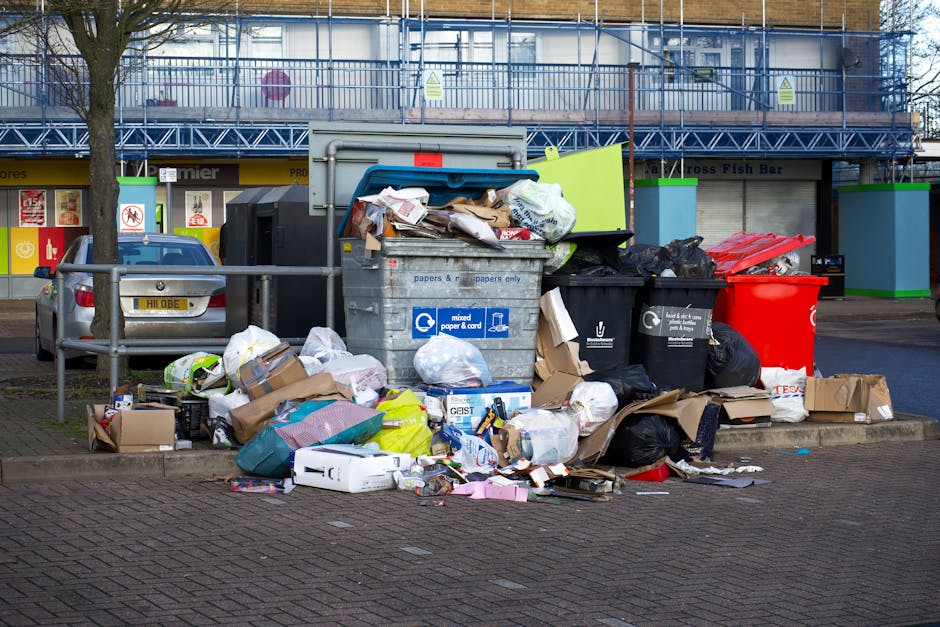
Waste disposal compliance for Knightsbridge cleaners and landlords
If you clean properties in Knightsbridge or manage them as a landlord, waste disposal compliance can feel like one more thing on an already full plate. But it matters more than most people realise. A bag of rubbish left in the wrong place, a broken wardrobe dumped without the right arrangement, or cleaning waste mixed with general household waste can quickly become a headache. In practice, good disposal habits protect your reputation, keep tenants happier, and reduce the risk of penalties or complaints. It also makes the whole job feel calmer. Less last-minute scrambling, fewer awkward calls, fewer surprises in that final walk-through.
This guide breaks down waste disposal compliance for Knightsbridge cleaners and landlords in plain English. You will learn what compliant disposal looks like, who is responsible for what, how to handle common cleaning waste, and how to build a simple process that works in real life. We will also cover practical mistakes to avoid, a usable checklist, and a few common-sense examples from the kind of properties you see around Knightsbridge: managed apartments, short-let flats, townhouses, and busy rental homes that need things done properly the first time.
Why Waste disposal compliance for Knightsbridge cleaners and landlords Matters
At its simplest, compliant waste disposal means the right waste goes into the right stream, is stored safely, and is removed by the right person or service. Sounds basic. It is basic. Yet this is where things go wrong, especially when several people are involved: cleaners, landlords, tenants, letting agents, builders, and sometimes concierge teams in the same building. One person assumes someone else will handle it, and suddenly the bins are overflowing on a Friday evening.
For Knightsbridge cleaners, compliance matters because cleaning often creates more than dust and cloths. There may be bagged waste from kitchens, bathroom packaging, broken items, old linens, food waste, cleaning chemical containers, and contaminated materials that need separate handling. For landlords, it matters because the property owner or manager is usually the person tenants look to when waste management falls apart. Even when a cleaner is doing the day-to-day work, the landlord still needs a system that is lawful, traceable, and realistic.
There is also a very practical reputation angle. In a high-value area like Knightsbridge, presentation counts. Shared bin stores, pavement waste, and badly managed bulky items can look untidy fast. Worse, they can create odours, attract pests, or trigger complaints from neighbours and building managers. Nobody wants that. Not on a Tuesday morning, and definitely not before check-in or a tenancy inspection.
If you offer a service like end of tenancy cleaning or deep cleaning, waste handling becomes part of the service quality itself. A sparkling kitchen is less impressive if the cleaner leaves piles of old packaging by the back door. That is the bit clients remember.
How Waste disposal compliance for Knightsbridge cleaners and landlords Works
Compliance is not usually about one dramatic rule. It is a chain of smaller decisions. First, identify the waste. Then separate it. Then store it safely. Then arrange the correct removal route. In many properties, the answer is a mix of household collection, building-managed waste points, recycling, and specialist removal for anything bulky or hazardous.
The key question is always: what kind of waste is it? General household waste is not treated the same as bulky furniture, electrical items, chemical containers, sharps, or construction debris. If a cleaner is working after refurbishment, for example, waste from after builders cleaning often includes dust, plaster residue, packaging, and leftover materials that need separate thought rather than being shoved into a normal bin bag.
Landlords should also think about responsibility. In many rental situations, tenants deal with day-to-day household waste, but landlords or managing agents may be responsible for arranging removal of abandoned items, post-void clear-outs, and any waste left after works or turnovers. Cleaners, meanwhile, should not assume a pile of rubbish is someone else's issue if they generated it. To be fair, this is where a lot of friction starts.
Where a property has communal storage or a shared refuse area, the rules can be tighter. A tidy private bin room in a Knightsbridge mansion block may still have strict access times, segregation rules, or collection schedules. If you work in buildings with shared spaces, communal area cleaning and waste discipline go hand in hand. Cleaners need to leave the area as they found it, or better.
One small but useful habit: build a waste check into the final five minutes of every clean. Walk the rooms. Look under sinks. Check cupboards, balcony corners, and utility areas. That one scan catches a lot of "nearly forgot" moments.
Key Benefits and Practical Advantages
When waste disposal is handled properly, the benefits are immediate and very visible.
- Fewer complaints: no overfilled bins, no smells, no bags left in the wrong place.
- Lower compliance risk: less chance of improper disposal, fly-tipping allegations, or building rule breaches.
- Better presentation: a clean property feels finished, not half-done.
- Smoother check-outs and handovers: especially important for move out cleaning and tenancy changes.
- Safer work environment: fewer sharp items, leaks, or heavy lifting surprises.
- Less admin stress: everyone knows what goes where and who is arranging the removal.
There is also a quieter benefit: consistency. A landlord who has a dependable waste process is easier to work with. A cleaner who understands disposal expectations is easier to book again. Simple as that. In a market where people talk to each other, that consistency matters a lot.
For landlords with regular turnover, the value can be even bigger. Properties that are prepared by a good regular cleaning routine tend to create less waste chaos between occupiers. Less clutter, less abandoned stuff, less "where did this come from?" at the eleventh hour.
Who This Is For and When It Makes Sense
This topic is relevant to more people than you might first think.
- Domestic cleaners who remove bagged waste, packaging, or used consumables from homes.
- Landlords managing void periods, end-of-tenancy clearances, or post-repair clean-ups.
- Letting agents responsible for smooth handovers and property presentation.
- Airbnb hosts who need waste removed quickly between short stays.
- Commercial managers handling office or retail waste in managed buildings.
- Cleaning teams working after decoration, maintenance, or refurbishment.
It makes sense any time waste is being generated alongside cleaning. That could be a one-off tidy after a tenancy, or a more routine arrangement where a cleaner notices the same recurring issues week after week. If a property has overflow problems every collection day, the issue is no longer just "rubbish." It is a management process that needs fixing.
For example, a landlord preparing a flat for new tenants after a long vacancy may need more than surface cleaning. They may need bagged waste removed, old items cleared, and then a final clean so the property can be re-let. In those cases, it is often sensible to combine disposal planning with house clearance where appropriate, rather than trying to improvise with small bins and hope for the best.
And yes, if the job includes stubborn marks, residues, or upholstery contamination from stored items, specialist add-ons such as stain removal or upholstery cleaning may be part of the bigger clean-up plan. Waste handling and restoration often sit together.
Step-by-Step Guidance
If you want a practical approach, keep it simple and repeatable. Here is a process that works well for many Knightsbridge cleaners and landlords.
- Identify the waste at the start. Walk the property and note what needs removing: general waste, recyclables, bulky items, food waste, textiles, packaging, or specialist waste.
- Separate waste by stream. Keep general waste apart from recycling, and keep anything questionable isolated until you know where it belongs.
- Check building rules or landlord instructions. Some blocks have exact bin locations, collection times, or refuse-room access rules.
- Use the right sacks, containers, and handling methods. Bag waste securely. Do not overfill. Keep liquids sealed.
- Protect staff and residents. Avoid lifting unsafe loads, and treat sharp or contaminated materials cautiously.
- Arrange specialist removal when needed. Bulky, electrical, or awkward waste should not be forced into ordinary disposal routes.
- Record what was removed. A quick note or photo can help later if there is a question about missing items or final condition.
- Do a last sweep. Check balconies, cupboards, behind appliances, under beds, and utility areas. That's where the odd stuff hides.
A lot of problems disappear when people simply write the process down. Not a big policy document. Just a neat, one-page checklist. Cleaners follow it. Landlords approve it. Everyone knows the plan. Lovely, really.
If you are coordinating a move-in or move-out turnover, it can help to schedule disposal before the final polish. That way, the property is not cleaned twice because someone turned up with another load of unwanted stuff at the end. For busy handovers, move in cleaning and move out cleaning are much smoother when waste is already under control.
Expert Tips for Better Results
In our experience, the best waste systems are boring in the best possible way. No drama. No guessing.
- Label waste points clearly. If cleaners or tenants are likely to sort items, clear labels reduce mistakes.
- Keep a "questionable items" bag or box. If nobody is sure whether something is recyclable, hazardous, or bulky, it should not be dumped blindly.
- Use a property-specific waste note. One short note per building can save a lot of confusion later.
- Plan for peak turnover days. Sundays, month-end, and pre-move dates often create extra waste. Build slack into the schedule.
- Match cleaning scope to disposal scope. A standard clean is not the same as a clean-and-clear job, and the expectations should be set early.
- Choose suppliers who understand compliance. If you book a team for one off cleaning, ask what they do with waste before assuming anything.
A small but important detail: if a cleaner is handling reusable cloths, mop heads, or equipment waste, those items need a different logic from ordinary rubbish. They are part of a workflow, not just trash. That distinction matters more than people think.
Also, if a property has delicate finishes, expensive furniture, or high footfall, it is wise to pair disposal planning with protective cleaning services like Sorry, no link and careful surface care. Better still, plan the route before anyone starts moving bags through the hallway on a wet London afternoon.
Common Mistakes to Avoid
Here are the slip-ups that cause most of the trouble.
- Assuming the tenant will deal with everything. Sometimes they will. Sometimes they will not. The property owner still needs a fallback.
- Mixing waste types together. General rubbish, recycling, and bulky items should not all end up in the same place by default.
- Leaving waste in communal areas. It only takes one complaint for this to become a bigger issue.
- Not checking for landlord or building instructions. The rules may be stricter than expected.
- Ignoring awkward items. Broken mirrors, old lamps, paint tins, and wet packaging all need thought.
- Failing to document what was removed. This is a small admin step that prevents bigger arguments later.
One of the most common errors, especially in quick turnaround jobs, is treating waste removal as an afterthought. It is not. It sits at the end of the clean, yes, but it should be planned at the beginning. That little shift saves time, and honestly, a fair bit of annoyance too.
Another issue is using the wrong service for the wrong job. A cleaner can clear light waste as part of their scope, but if the property contains multiple rooms of unwanted furniture or accumulated belongings, you are edging into a clearance job. That is where house clearance becomes the sensible option.
Tools, Resources and Recommendations
You do not need a complicated toolkit. You need a sensible one.
| Tool or resource | What it helps with | Best for |
|---|---|---|
| Heavy-duty sacks | Secure bagging and easier handling | General cleaning waste |
| Labelled bins or crates | Separating waste streams | Recycling and mixed property setups |
| Gloves and basic PPE | Safer handling of sharp or dirty items | All cleaning teams |
| Property waste notes | Clear instructions for staff and landlords | Managed buildings and repeat cleans |
| Photo record on completion | Evidence of what was left and removed | End of tenancy and void turns |
For landlords and managers, a good starting point is to keep a simple property pack. It should include waste instructions, bin locations, collection days, access rules, and emergency contacts. Add any building-specific quirks while you are at it. That way nobody is hunting around in a stairwell trying to remember which key opens the refuse room.
For cleaners, it helps to offer a service structure that fits the property type. A standard domestic cleaning visit may only need light bagged waste handling, while a busy short-let or furnished rental may need more active turnover support. If the property is used for hosting, Airbnb cleaning often benefits from a more disciplined waste routine because timing is tight and guests notice everything.
Law, Compliance, Standards, or Best Practice
This is the part where you need to be careful and sensible rather than overly casual. Waste disposal in the UK is governed by a mix of legal duties, local collection rules, building requirements, and standard business practice. The exact obligations can vary depending on the type of waste and the local arrangements in place. So, while the broad principle is straightforward, the details should always be checked for the specific situation.
As a best-practice approach, cleaners and landlords should aim to:
- keep waste secure and contained;
- separate recycling where required and practical;
- avoid leaving waste in shared corridors, lobbies, or pavements;
- use appropriate arrangements for bulky or specialist items;
- prevent nuisance, odours, and pest risk;
- follow any building, tenancy, or service-contract instructions.
In managed properties, the landlord or managing agent should be clear about who is responsible for what. That clarity matters because when waste is abandoned, responsibility disputes can happen fast. A cleaner may say it was already there. A tenant may say they thought the landlord would remove it. Meanwhile, the smell gets worse. You know how it goes.
Best practice also means keeping service terms clear. If a clean includes light waste bagging but not full removal, say so. If waste removal is included only for standard household waste and not bulky items, say so. Clear scope is not just good customer service; it is a practical defence against misunderstandings. Linking this with your terms and conditions and your health and safety policy makes the whole process more defensible and easier to manage.
If environmental responsibility matters to your client base, the recycling and sustainability approach on the site is a useful signal that waste is being considered carefully rather than treated as an afterthought. That does not replace legal compliance, of course, but it does help set expectations in the right direction.
Options, Methods, or Comparison Table
Different properties need different waste approaches. Here is a simple comparison.
| Method | Best used for | Pros | Watch-outs |
|---|---|---|---|
| Routine bin disposal | Small household waste and packaging | Simple, low cost, easy to manage | Can fail if bins are full or access is restricted |
| Recycling separation | Paper, cardboard, plastics, and suitable clean recyclables | Cleaner presentation, better sustainability | Needs correct sorting and space |
| Bulky item removal | Furniture, broken appliances, large abandoned items | Removes big obstacles quickly | Requires proper planning and may need specialist handling |
| Clearance service | Void properties, abandoned contents, major turnover jobs | Efficient for large volumes | Not the same as standard cleaning, so scope must be agreed |
The main decision is usually between "cleaning waste only" and "we need a proper clearance." If you are unsure, look at the volume, weight, and awkwardness of the items. A single bin bag is not the same as three wardrobes and a broken mattress. One is a tidy finish. The other is a separate project.
For soft furnishings and textile-heavy properties, services like carpet cleaning, sofa cleaning, rug cleaning, and mattress cleaning can reduce disposal pressure by restoring items that would otherwise be thrown out. Sometimes that is the smarter route. Not always, but often enough.
Case Study or Real-World Example
Picture a furnished Knightsbridge flat at the end of a tenancy. The tenants have left the place mostly tidy, but there is a mix of packaging, old food containers, a couple of damaged storage boxes, and a bulky chair that has seen better days. The landlord wants the flat ready for new occupants by the end of the week. The cleaner arrives first thing on a grey London morning, the sort where the stairwell feels slightly echoey and the hallway smells faintly of polish and bin bags. Charming, in its own way.
Instead of treating everything as one pile, the team sorts the waste immediately. Bagged household waste goes one way. Recyclables go another. The damaged chair is flagged for separate removal. The cleaner checks the cupboard under the sink, finds a half-used bottle that should not just be tossed with everything else, and sets it aside. The landlord confirms the building's refuse-room access time. Waste is removed in line with that schedule, and the final clean can happen without rubbish getting in the way.
The result is a quicker handover and fewer surprises. The property presents well, the managing agent is happy, and nobody is left standing in the doorway wondering why there is a stray pile by the lift. Small thing? Maybe. But small things are what make handovers smooth.
This kind of process is especially useful when a property also needs finishing work such as window cleaning or hard floor cleaning. If the waste is sorted early, the rest of the clean flows more naturally. Less backtracking, less mess, better result.
Practical Checklist
Use this checklist before closing out any clean where waste is involved.
- Have I identified every waste type in the property?
- Is anything bulky, sharp, wet, or potentially contaminated?
- Have I checked the building's refuse rules or access times?
- Are recycling and general waste separated where appropriate?
- Are all bags sealed and safe to move?
- Is there any item that needs specialist removal rather than routine disposal?
- Have I kept waste out of corridors, entrances, and communal spaces?
- Have I recorded what was removed if the handover needs evidence?
- Has the final room sweep caught cupboards, balconies, and hidden corners?
- Does the landlord, agent, or client know what was left behind, if anything?
If you can tick those off, you are in a much better position. Not perfect, maybe, but solid. And in most real-world jobs, solid is exactly what you want.
Conclusion
Waste disposal compliance for Knightsbridge cleaners and landlords is not just about avoiding problems. It is about running cleaner, safer, calmer property operations. When waste is handled properly, everything else gets easier: the clean is smoother, the handover is tidier, the property feels more professional, and the people involved have fewer reasons to chase each other for fixes.
Keep the process simple. Identify waste early. Separate it properly. Respect the building rules. Use the right service when the job goes beyond routine cleaning. And above all, make the responsibility clear before the bins start filling up. That one bit of planning saves a lot of bother later.
If you want a cleaner, more reliable system for your next tenancy change, managed property turnover, or one-off refresh, it is worth getting the disposal side right first. The rest tends to fall into place more easily after that.
Get a free quote today and see how much you can save.
Frequently Asked Questions
What counts as compliant waste disposal for cleaners?
It usually means sorting waste correctly, storing it safely, and using the right disposal route for the type of waste involved. General rubbish, recyclables, bulky items, and specialist waste should not all be treated the same.
Are landlords responsible for waste left by tenants?
Often, landlords or managing agents become responsible when waste is abandoned, left after a void period, or needs removal before re-letting. The exact responsibility depends on the tenancy situation and any agreed arrangements, so it is best to make this clear in advance.
Can a cleaner throw away items left behind after a tenancy?
Sometimes, yes, if that is part of the agreed scope and the items are ordinary household waste. But bulky furniture, electrical items, and anything questionable should be handled separately. It is always better to confirm first than to guess.
What should be done with bulky items in Knightsbridge flats?
Bulky items usually need a separate removal plan. That may mean arranging clearance rather than relying on normal bin disposal. In properties with communal access, building rules may also affect timing and collection.
How do I handle waste in a shared building or mansion block?
Check the building's refuse instructions, access times, and storage rules. Keep waste out of communal corridors and lobbies, and make sure bags are sealed and moved cleanly. Shared buildings can be fussier than standalone homes, so planning matters.
Does end of tenancy cleaning include waste removal?
Not always. It depends on the service scope. Some cleans include bagged waste handling or light removal, while larger volumes, abandoned items, or bulky waste may need separate arrangements. Clear communication avoids awkward surprises.
What is the difference between cleaning waste and house clearance?
Cleaning waste is usually the smaller amount of rubbish created during a clean. House clearance is for larger volumes of unwanted items, often after a tenancy ends or a property has been emptied. If the job feels bigger than a standard clean, it probably is.
How can landlords reduce waste issues between tenancies?
Use a clear handover process, give tenants simple bin instructions, keep collection information visible, and arrange prompt clearance of anything left behind. A consistent routine is much easier than dealing with a pile-up after the fact.
Should cleaners document waste removal?
Yes, it is often a smart habit. A quick note or photo record can help if there is a later question about what was removed or what remained on site. It takes seconds and can save a long email chain later.
What are the biggest compliance risks with waste disposal?
The main risks are mixing waste types, leaving rubbish in communal spaces, ignoring building rules, and failing to arrange proper removal for bulky or specialist waste. Most problems come from poor process rather than bad intent, which is why a checklist helps so much.
How often should waste procedures be reviewed?
Review them whenever a property changes use, a building introduces new refuse rules, or you notice repeated issues. For landlords and cleaners working in busy rental properties, a quick seasonal review is usually enough to catch small problems early.
What should I ask a cleaner about waste handling before booking?
Ask what waste is included, how bulky items are handled, whether recycling is separated, and whether the team works to any property-specific instructions. A good cleaner will not mind the questions. In fact, they should welcome them.